
A quiet rebellion is taking shape...
Between the Branches (林梢间)
A different type of play
When you think of the modern toy industry, the image that usually comes to mind is one of sprawling assembly lines, synthetic plastics, and frantic, short-lived trends. But tucked away in a Chinese studio, a quiet rebellion is taking shape; one carved from solid maple wood and painted entirely by hand.
Meet Between the Branches (林梢间), a new premium children’s brand that is aggressively challenging the status of ‘made in china’.
At a time when the “slow play” movement is gaining immense traction among eco-conscious parents, this Between the Branches is stepping up as a direct challenger to high-end European stalwarts like Ostheimer and Bumbu Toys. But what makes Between the Branches truly fascinating isn’t just what they are making; it’s how and where they are making it.
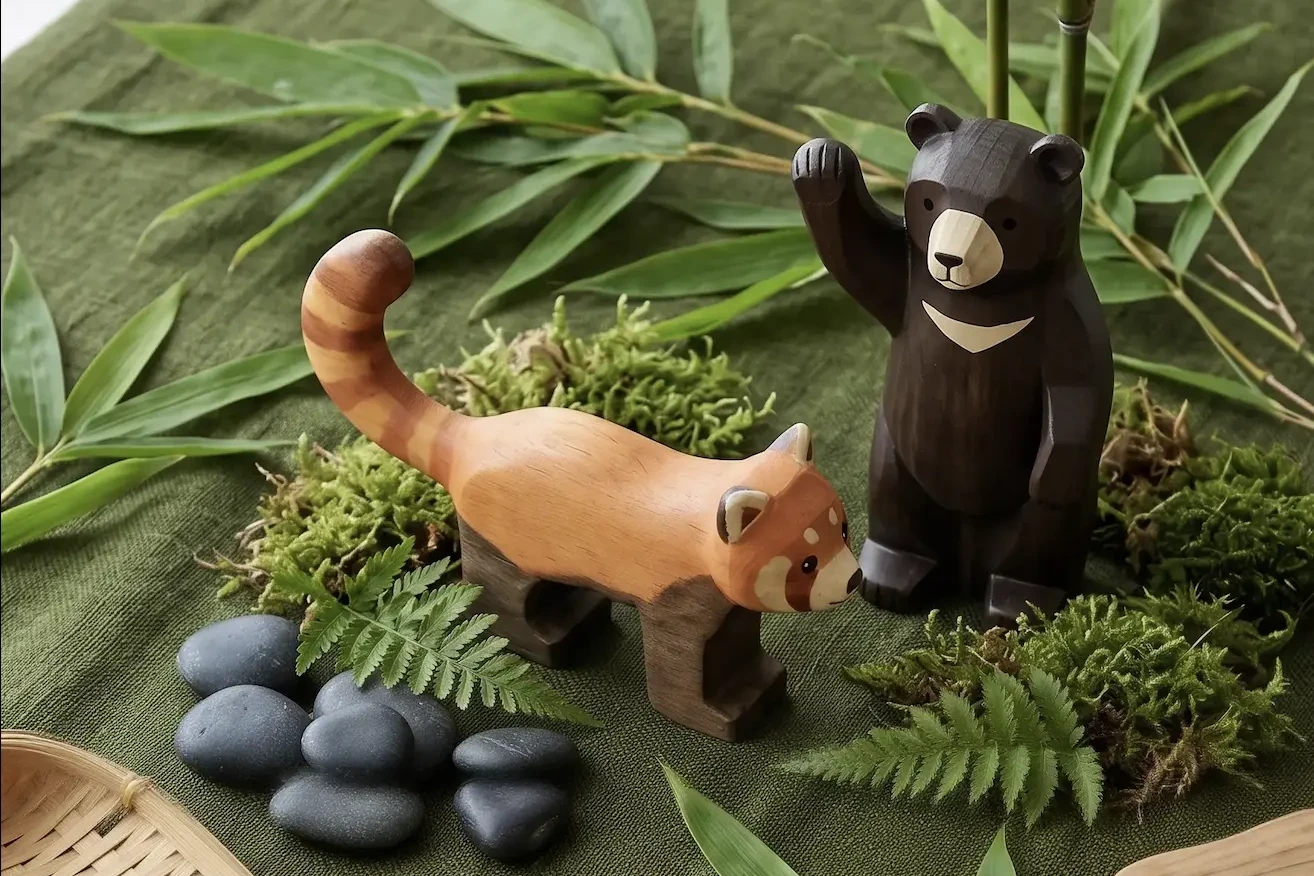
The Red Panda and Sun Bear are part of the Chinese Animals set from Between The Branches.
Born from a Parent’s Quest
The brand’s origin story is as authentic as its materials. Founded by a British-Chinese husband-and-wife team living in Beijing, the idea was sparked by the birth of their first child. Like many modern parents, they went searching for natural, handmade, and unequivocally safe toys.
What they found was a frustrating gap. The local Chinese market was dominated by mass-produced plastic, while the premium, safe wooden toys they admired were entirely imported from Europe, often sold at highly inflated prices on platforms like Taobao.
“We thought, China is amazing,” the founders noted. “We have incredibly skilled young workers here, we have supply chains and world-class testing facilities. Everything is here to champion Chinese artisans and sustainable Chinese toys that look stunning but also are safe for our child.”
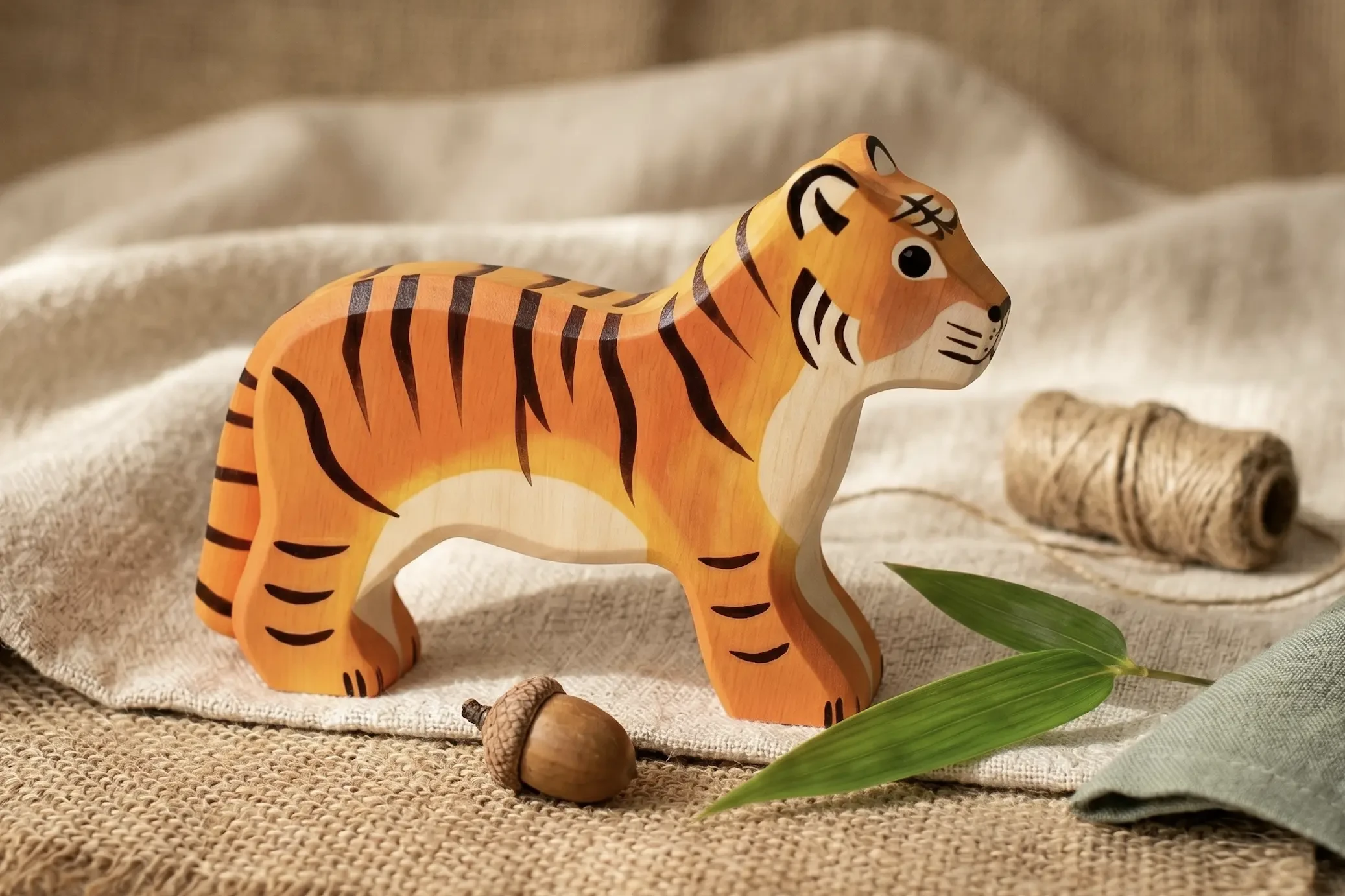
The Amur tiger, one of the stand out designs in Between The Branches first line up of toys.
Reclaiming “Made in China”
Between the Branches is on a mission to rewrite the global narrative around Chinese manufacturing. Rather than relying on automated factories, the brand partnered with a studio of young, talented artists who are paid fairly to take the time required to craft genuine heirloom pieces.
But doing things the right way rarely means doing them the easy way. The founders quickly collided with the harsh realities of sustainable manufacturing. They discovered that purchasing sustainably sourced wood locally within China was actually more expensive than buying European timber and shipping it across the globe.
Yet, rather than cutting corners, they absorbed the cost. For Between the Branches, true sustainability meant cutting out the massive carbon footprint of transcontinental cargo shipping and supporting the local ecosystem.
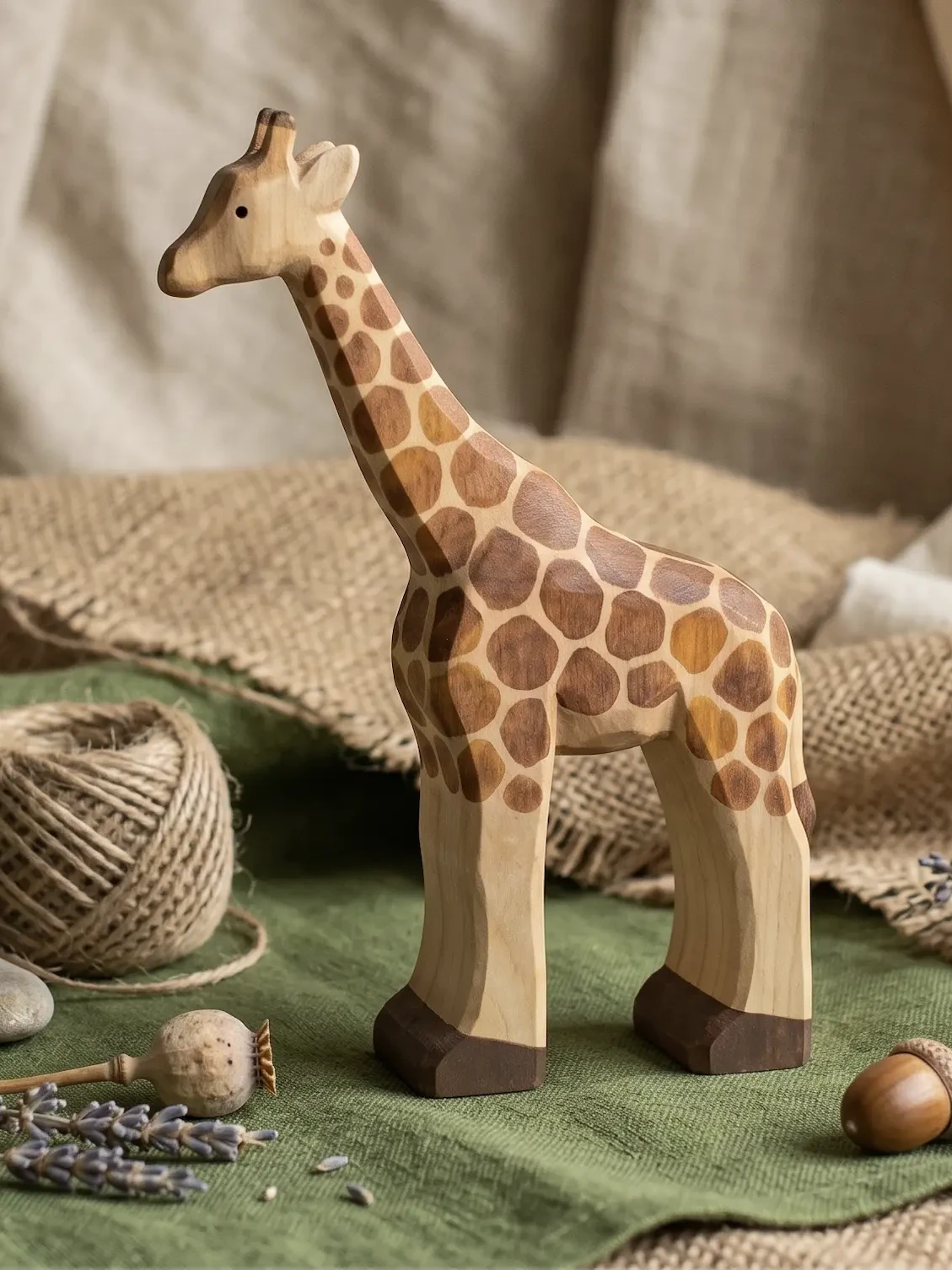
Of course, the initial line up has to have a beautiful giraffe!
Engineered for Wild Play
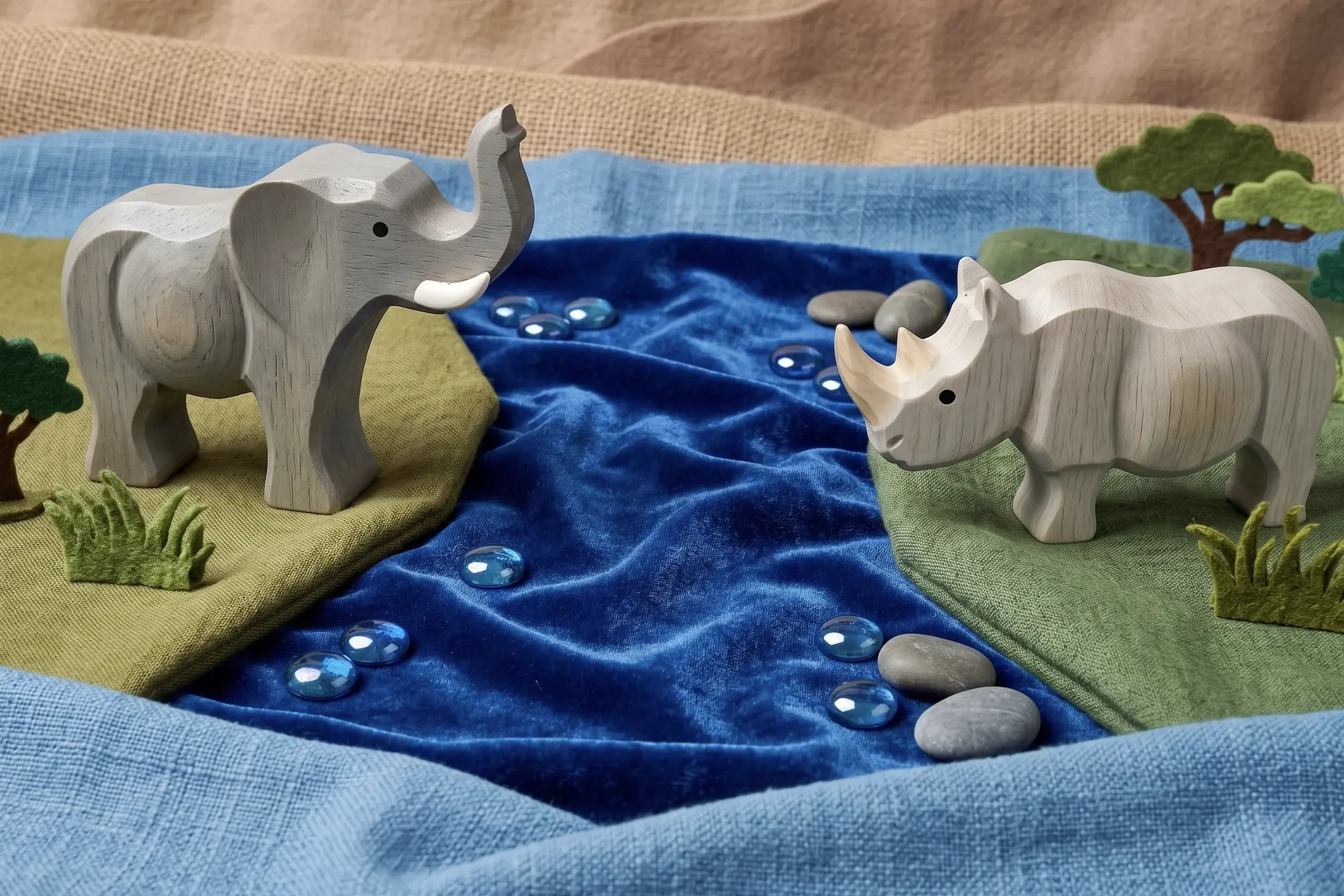
The resulting collection is nothing short of breathtaking. The initial lineup features 15+ animals divided into regional series. While it includes African classics like lions and giraffes, the standout pieces are the meticulously crafted Chinese heritage animals: the majestic Amur Tiger, the Golden Monkey, the iconic Panda, and a delightfully charismatic Sun Bear.
Each figure is carved from high-grade, solid Maple wood, specifically chosen for its premium weight and durability. While many boutique wooden toys feel fragile, Between the Branches engineers their pieces to a substantial 35mm thickness. They have even undergone rigorous design revisions; like integrating tails into the main body block and thickening vulnerable parts like unicorn horns to ensure they can survive a 91cm (3ft) drop test without shattering.
A Brand Built to Last
In a market flooded with greenwashing and planned obsolescence, Between the Branches feels like a breath of fresh air. They are proving that heirloom quality doesn’t have to be imported, and that the “Human Hand” philosophy is alive and well in Beijing. They are building a brand that sits at the intersection of traditional woodworking and modern safety standards—focusing entirely on doing it right, rather than doing it fast.